
Category: Edge Computing
-
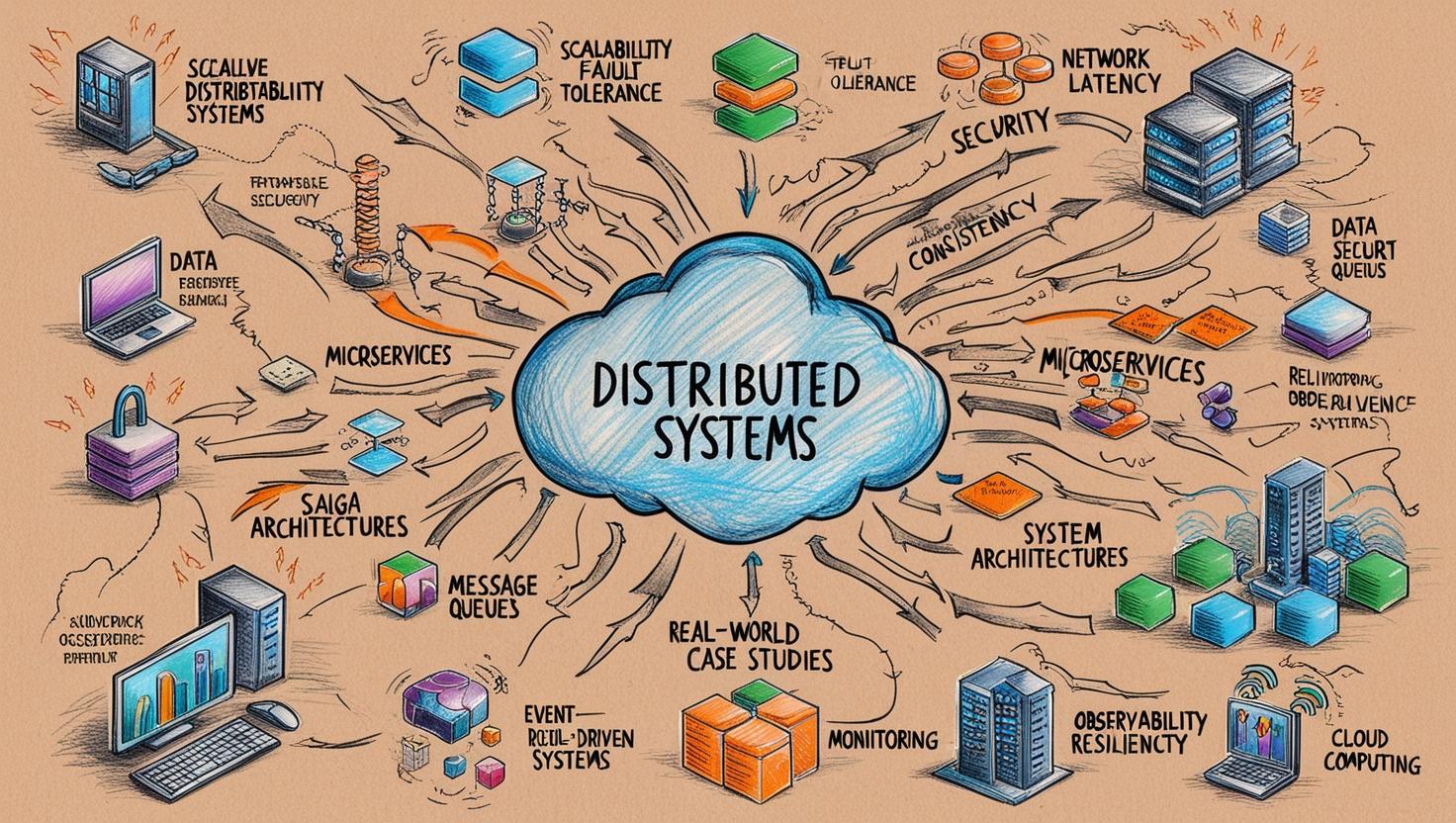
Designing Resilient Systems: Strategies for Distributed Architectures
Distributed Systems Engineering for Robust and Scalable Solutions Abstract Distributed systems underpin today’s interconnected digital ecosystems, enabling scalable, fault-tolerant, and resilient architectures across diverse industries. This study delves into the engineering of distributed systems, exploring foundational principles such as data consistency, fault tolerance, and network partitioning, alongside advanced patterns like…
-

FaaS: Functionality at Scale—Principles, Benefits, and Challenges
Exploring the Essence of Function as a Service (FaaS): From Design Principles to Real-World Use Cases Abstract Function as a Service (FaaS) is reshaping software architectures by offering a stateless, event-driven execution model that abstracts infrastructure complexities. This article explores FaaS in detail, covering its foundational principles, benefits, and integration…
-

Edge Computing: Concepts, Use Cases, and Challenges
The Role of the Network Edge in Modern Computing Architectures What is Edge Computing? Edge computing represents a paradigm shift in distributed systems, redefining how and where data is processed. By decentralizing computational workloads and bringing them closer to the data source, edge computing minimizes reliance on cloud data centers.…