
Category: Data Structures
-

The Performance Paradox: Hardware Scaling Can’t Fix Inefficient Software
Why Faster Hardware Can’t Overcome Poor Software Design Introduction For years, the default response to slow software has been “throw more hardware at it.” Faster CPUs, more RAM, and advanced storage solutions have been treated as silver bullets to performance issues. But raw hardware power doesn’t automatically mean efficiency. If…
-
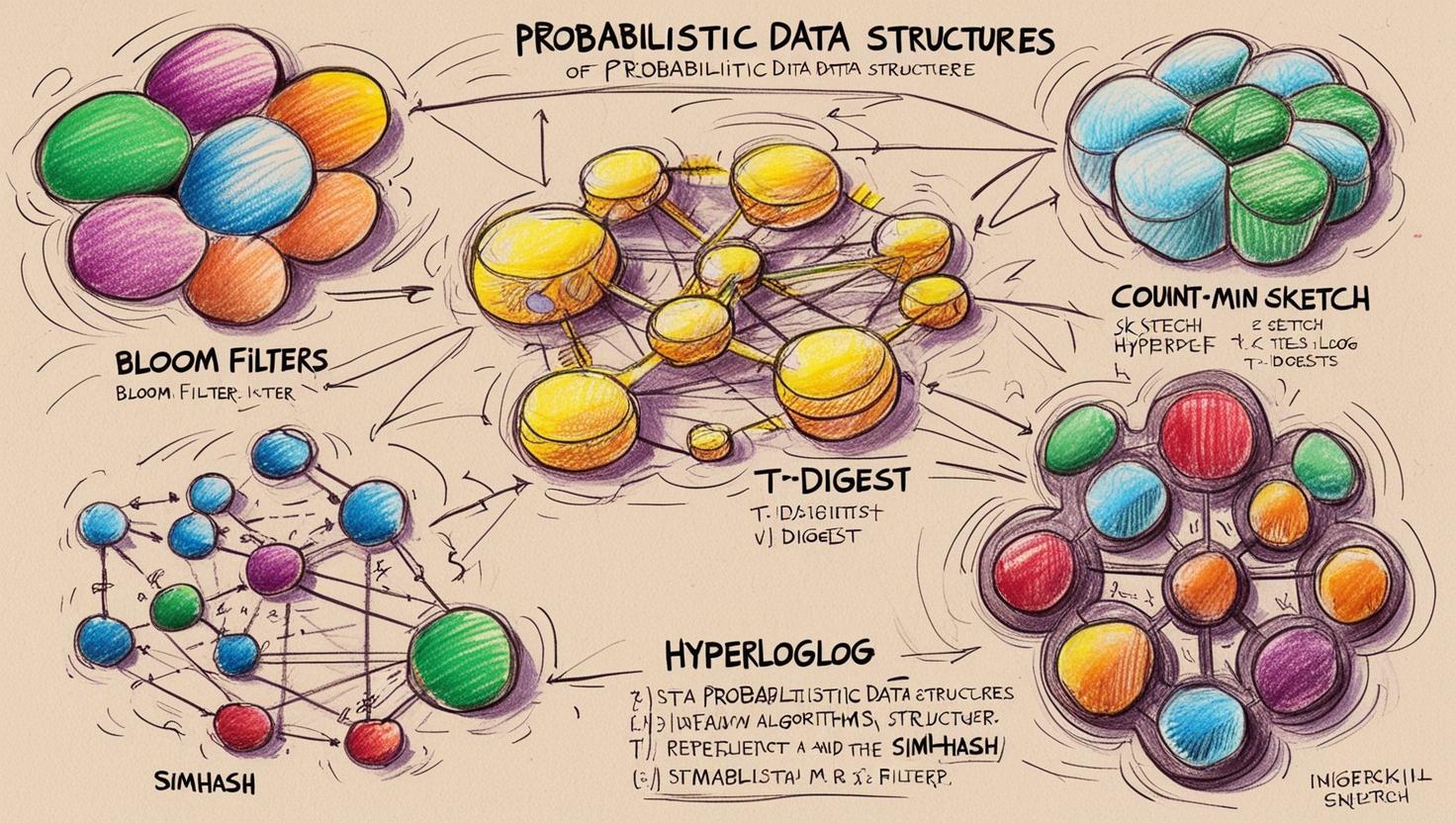
Probabilistic Data Structures: Balancing Space, Speed, and Accuracy
Efficient Algorithms for Approximate Computation in Large-Scale Systems Efficiency over Determinism: The Rise of Approximate Data Structures In an era where applications span continents, relying on intricate networks of microservices distributed across cloud-based servers, the traditional pursuit of absolute data accuracy faces significant obstacles. Imagine a global e-commerce platform processing…
-

A Deep Dive into LRU and LFU: Cache Eviction Policies Explained
Optimizing Cache Performance with Least Recently Used and Least Frequently Used Algorithms The Need for Speed Overcoming the File Access Bottleneck Imagine this: you’re working on a critical project, and you need constant access to a few key files. You know exactly where they are, but each time, you have…
-
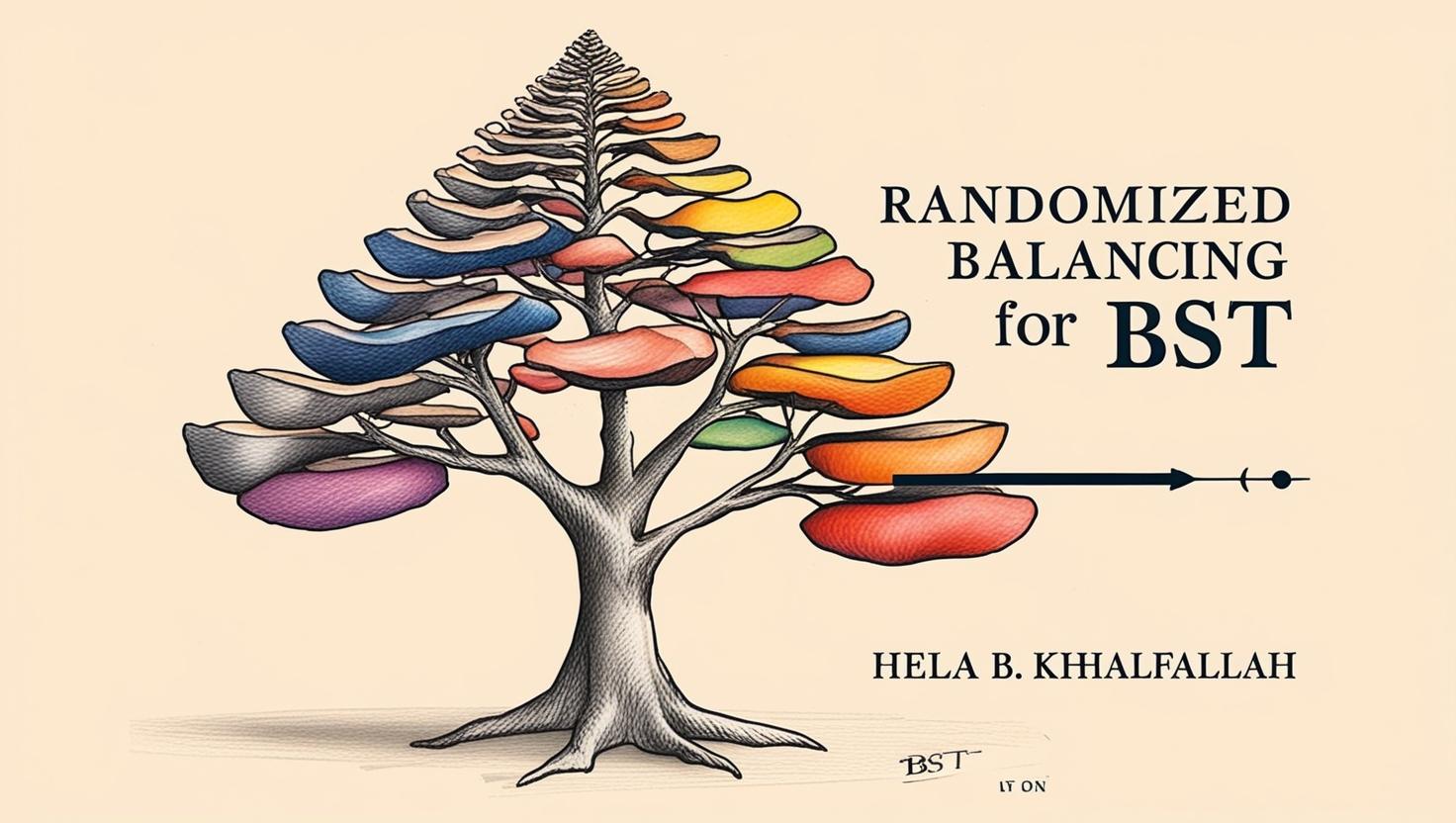
Treaps: Randomized Balancing for Binary Search Trees
Using Randomized Priorities to Maintain Balance in Search Trees The Quest for Balance In our exploration of binary search trees, we’ve encountered a recurring challenge: maintaining balance. Unbalanced trees can lead to sluggish search times, hindering the efficiency of our applications. We’ve seen how AVL trees and Red-Black trees tackle…
-
The Role of Heaps in Modern Algorithm Development
Understanding the Foundations and Applications of Heap Data Structures The Challenge of Priority The OS Symphony Imagine you’re designing an operating system, the invisible conductor orchestrating the symphony of your computer. Every application, every task, every click and keystroke triggers a flurry of processes vying for the processor’s attention. How…
-

Trees in Data Structures: Foundations and Applications
Exploring the Core Principles and Real-World Use Cases of Tree-Based Structures Into the Woods Imagine you’re developing a desktop application to manage a computer’s file system. This application needs to efficiently handle a vast number of files and folders, organized in diverse and complex structures, much like a growing forest…