
Category: Software Engineering
-

The Performance Paradox: Hardware Scaling Can’t Fix Inefficient Software
Why Faster Hardware Can’t Overcome Poor Software Design Introduction For years, the default response to slow software has been “throw more hardware at it.” Faster CPUs, more RAM, and advanced storage solutions have been treated as silver bullets to performance issues. But raw hardware power doesn’t automatically mean efficiency. If…
-

HTTP Through the Ages: From HTTP/1.1 to QUIC-Powered HTTP/3
Understanding the Challenges and Innovations in HTTP/1, HTTP/2, and HTTP/3 Introduction The Hypertext Transfer Protocol (HTTP) has long been the backbone of web communication, enabling seamless data exchange across the vast expanse of the internet. As the demands of users and applications evolved, so too did the protocols governing this…
-

Toward a Semi-AOT Web: Bridging Static and Dynamic Rendering for Modern Applications
Reimagining Web Development with Hybrid Strategies to Balance Performance, Flexibility, and Adaptability Introduction In modern software development, Ahead-of-Time (AOT) compilation refers to the process of converting code into a fully executable format before it is run. Unlike Just-in-Time (JIT) compilation, which performs translation during execution, AOT provides several advantages: improved…
-
From JavaScript to Python: A Comprehensive Cheat Sheet and Hands-On Guide
Moving from Node.js to Python with ArtBloom’s Project Introduction 💻 Dive into the full source code and docs for ArtBloom on GitHub 🚀 The choice of a backend technology often determines the scalability, maintainability, and performance of a project. While Node.js dominates the backend ecosystem with its event-driven architecture, Python…
-
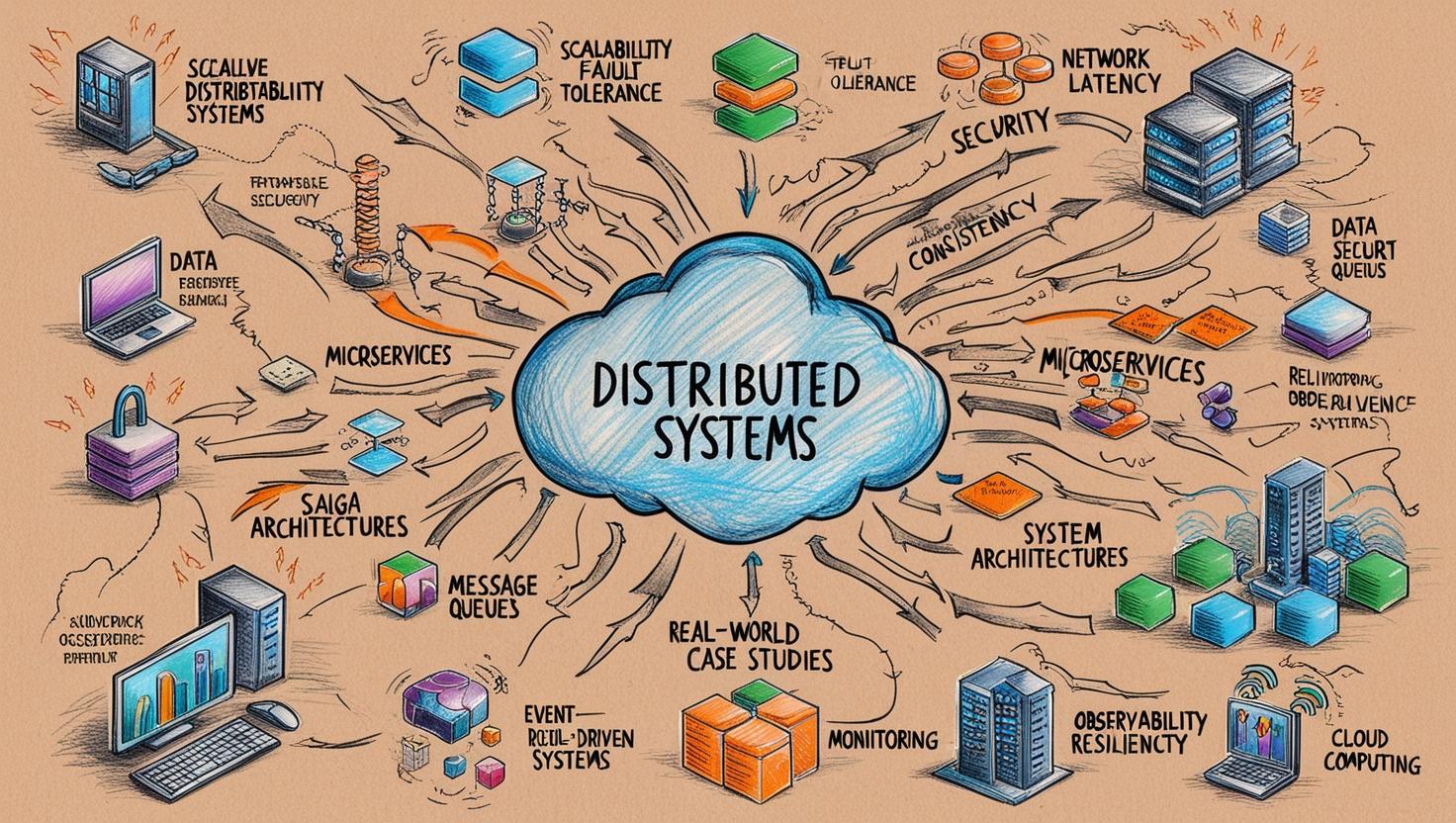
Designing Resilient Systems: Strategies for Distributed Architectures
Distributed Systems Engineering for Robust and Scalable Solutions Abstract Distributed systems underpin today’s interconnected digital ecosystems, enabling scalable, fault-tolerant, and resilient architectures across diverse industries. This study delves into the engineering of distributed systems, exploring foundational principles such as data consistency, fault tolerance, and network partitioning, alongside advanced patterns like…
-

FaaS: Functionality at Scale—Principles, Benefits, and Challenges
Exploring the Essence of Function as a Service (FaaS): From Design Principles to Real-World Use Cases Abstract Function as a Service (FaaS) is reshaping software architectures by offering a stateless, event-driven execution model that abstracts infrastructure complexities. This article explores FaaS in detail, covering its foundational principles, benefits, and integration…
-

Edge Computing: Concepts, Use Cases, and Challenges
The Role of the Network Edge in Modern Computing Architectures What is Edge Computing? Edge computing represents a paradigm shift in distributed systems, redefining how and where data is processed. By decentralizing computational workloads and bringing them closer to the data source, edge computing minimizes reliance on cloud data centers.…
-
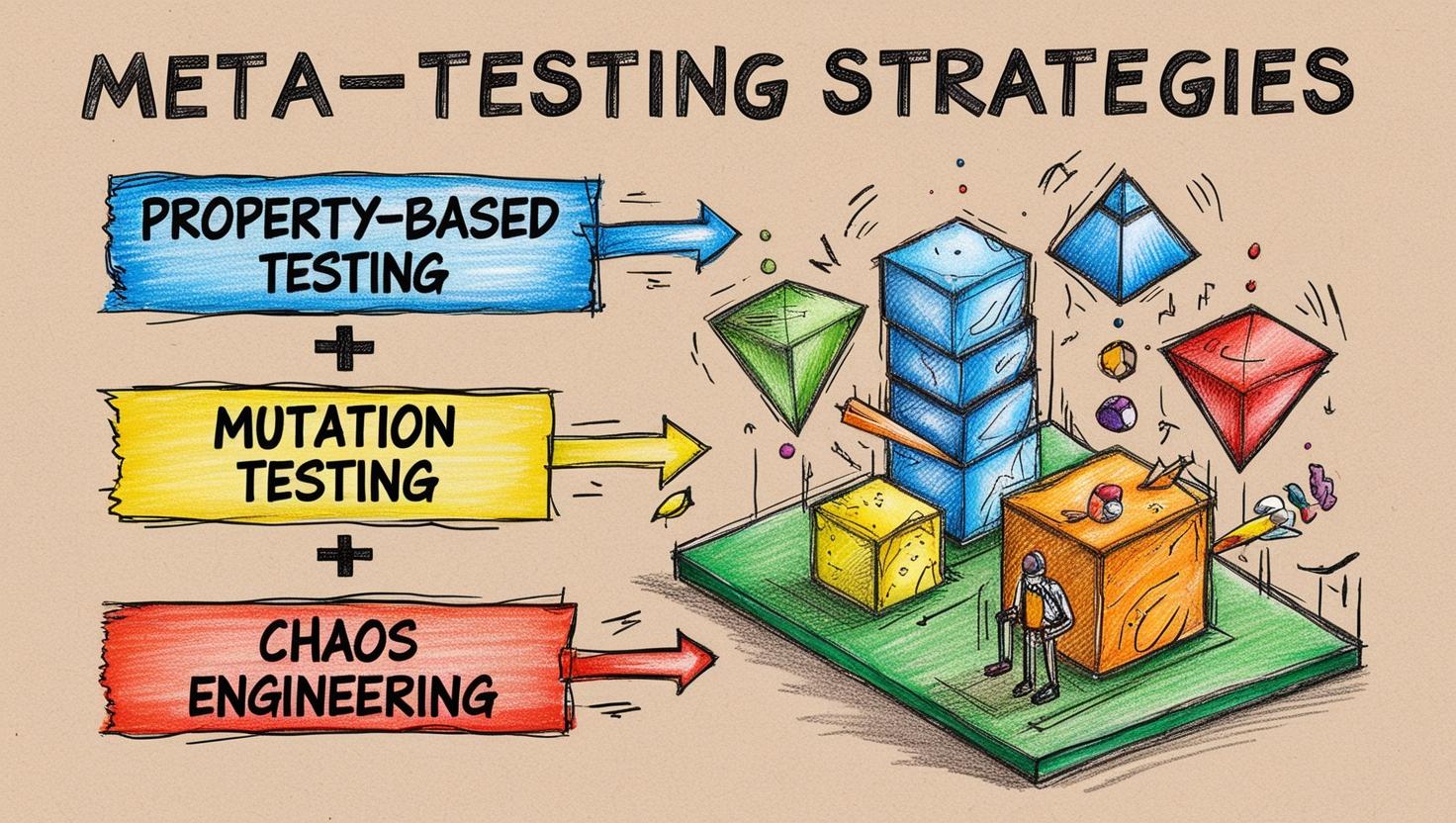
Meta-Testing Strategies: Property-Based, Mutation, and Chaos Engineering
Exploring Techniques to Validate Logic, Test Suites, and System Resilience with Meta-Testing Abstract Testing is a cornerstone of software quality, yet traditional testing methods often leave gaps in logic validation, test suite robustness, and system resilience. This study explores advanced testing paradigms—Property-Based Testing (PBT), Mutation Analysis, and Chaos Engineering—with a…
-

From Continuous Delivery to Progressive Delivery: Gradual, Feedback-Driven Rollouts
Seamless Delivery: Combining Observability, Feature Flags, and Modern Rollout Techniques Abstract Progressive Delivery is a modern software engineering practice designed to address the increasing complexity of deploying software in dynamic environments. By building upon Continuous Integration (CI) and Continuous Delivery (CD), Progressive Delivery introduces controlled, incremental rollouts of features to…
-

Building a Modern Language: Selecting the Best-Fit VM Among V8, JVM, and ERTS
Comparing Architectures, Execution Models, and Real-World Applications Abstract In the quest to design a versatile and high-performance general-purpose programming language, the choice of a virtual machine (VM) becomes a critical decision. This study explores three leading contenders—V8, JVM, and ERTS—analyzing their architectures, strengths, and trade-offs. Through an in-depth comparative study,…